Dental Bridges in Turkey
Restore Missing Teeth with High-Quality Dental Bridges
Missing teeth can affect more than just the appearance of your smile. Gaps between teeth may lead to difficulty chewing, speech problems, and gradual shifting of surrounding teeth. Over time, this can affect your bite and overall oral health.
A dental bridge is a reliable and widely used solution for replacing one or more missing teeth. Dental bridges restore the natural function of your teeth while improving the appearance of your smile.
Turkey has become a leading destination for high-quality and affordable dental treatments, including dental bridges. Many international patients travel to Turkey every year to restore missing teeth with advanced restorative dentistry at significantly lower costs compared to many Western countries.
At Tour for Cure clinics in Istanbul and Antalya, experienced dentists use modern technology and high-quality materials to design natural-looking dental bridges that blend seamlessly with your existing teeth.
What Is a Dental Bridge?
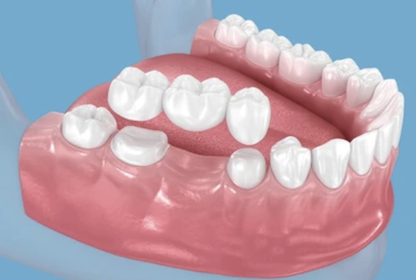 A dental bridge is a fixed dental restoration used to replace one or more missing teeth. It consists of one or more artificial teeth, known as pontics, which are supported by crowns placed on the adjacent natural teeth or dental implants.
The purpose of a dental bridge is to fill the gap left by missing teeth, restoring both function and aesthetics.
Dental bridges help patients:
• Regain normal chewing ability.
• Improve speech clarity.
• Maintain proper bite alignment.
• Prevent surrounding teeth from shifting.
• Restore the natural appearance of the smile.
Modern dental bridges are carefully crafted to match the shape, size, and color of natural teeth, creating a natural and balanced smile.
Types of Dental Bridges
Dentists may recommend different types of dental bridges depending on the number of missing teeth and the condition of the surrounding teeth.
Traditional Dental Bridge
The traditional bridge is the most commonly used type. It is supported by dental crowns placed on the neighboring teeth on both sides of the gap.
This type of bridge provides strong and stable support.
Cantilever Dental Bridge
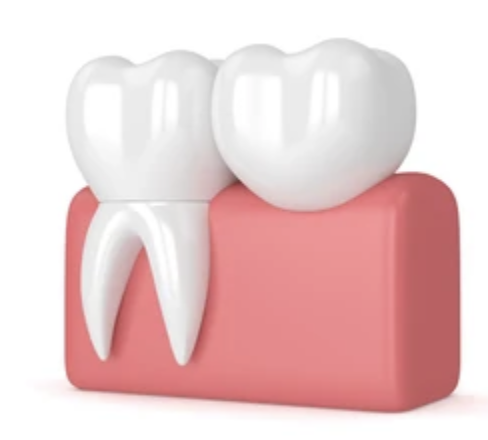
A cantilever bridge is used when there is only one adjacent tooth available to support the bridge.
Although less common, it may be suitable in certain situations depending on the patient's bite and tooth position.
Maryland Dental Bridge
A Maryland bridge uses metal or ceramic wings bonded to the back of the neighboring teeth instead of crowns.
This option requires less alteration of surrounding teeth and is often used for front teeth replacement.
Implant-Supported Bridge
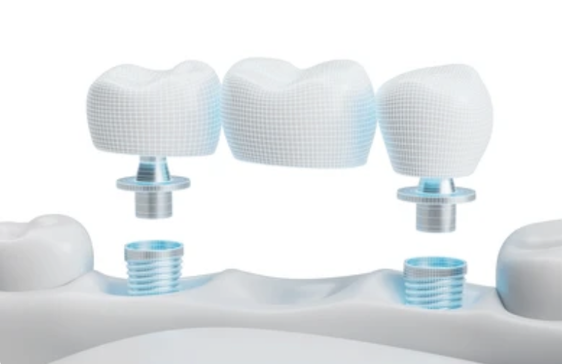 An implant-supported bridge is anchored to dental implants placed in the jawbone instead of natural teeth.
This type of bridge is often recommended when replacing multiple missing teeth because it provides excellent stability and durability.
Patients interested in this option can learn more about dental implant treatment in Turkey, which offers a long-lasting solution for missing teeth.
Who Is a Good Candidate for Dental Bridges?
Dental bridges may be an ideal solution for patients who want to replace missing teeth with a fixed and natural-looking restoration.
You may be a good candidate for dental bridges if you:
• Have one or more missing teeth.
• Have healthy teeth on both sides of the gap.
• Want a fixed alternative to removable dentures.
• Want to restore your ability to chew and speak comfortably.
• Want to improve the appearance of your smile.
During your consultation, dentists will examine your teeth and recommend the most suitable treatment based on your dental condition and smile goals.
What Happens If Missing Teeth Are Not Replaced?
Leaving missing teeth untreated can lead to several dental problems over time.
When a tooth is lost, the surrounding teeth may gradually shift into the empty space. This movement can affect the bite and create alignment problems.
Missing teeth may also cause:
• Difficulty chewing certain foods.
• Speech difficulties.
• Increased pressure on remaining teeth.
• Gradual jawbone loss.
• Changes in facial structure over time.
Replacing missing teeth with a dental bridge helps restore normal function, proper bite alignment, and a balanced smile.
Dental Bridge Procedure Step by Step
The process of receiving a dental bridge usually requires two dental visits.
1. Dental Examination and Treatment Planning
The dentist examines the teeth and takes digital X-rays or scans to evaluate the surrounding teeth and determine whether a bridge is the best solution.
2. Preparation of Supporting Teeth
The teeth adjacent to the missing tooth are carefully prepared so they can support dental crowns that will hold the bridge in place.
3. Dental Impression or Digital Scan
A precise impression or digital scan is taken to create a custom bridge that fits perfectly with the patient’s bite and smile.
4. Placement of the Permanent Bridge
Once the dental bridge is fabricated in a dental laboratory, it is permanently placed and adjusted to ensure comfort and proper function.
Patients can usually return to normal activities shortly after the procedure.
Dental Bridge vs Dental Implant
Both dental bridges and dental implants are effective solutions for replacing missing teeth, but they differ in how they are placed and supported.
Feature | Dental Bridge | Dental Implant |
| Placement | Supported by neighboring teeth | Inserted directly into jawbone |
| Surgery | Not required | Minor surgical procedure |
| Treatment Time | Faster | Longer healing period |
| Longevity | 10 - 15 years | 20+ years |
Dental bridges are often recommended when adjacent teeth already require crowns, while dental implants may be ideal when replacing a single missing tooth without affecting neighboring teeth.
Patients interested in this option can explore dental implants in Turkey to learn more about the procedure and benefits.
Benefits of Dental Bridges
Dental bridges offer several advantages for patients who want to restore missing teeth.
Restores Chewing Function
Bridges allow patients to eat comfortably again by filling the gap created by missing teeth.
Improves Smile Appearance
Dental bridges restore the natural look of your smile by replacing missing teeth with realistic restorations.
Prevents Teeth from Shifting
When a tooth is missing, surrounding teeth may gradually move into the empty space. Bridges help maintain proper tooth alignment.
Quick Treatment
Compared to dental implants, dental bridges usually require less treatment time.
Dental Bridge Cost in Turkey
One of the reasons many international patients choose Turkey for dental treatment is the significantly lower cost compared to Western countries.
Average Dental Bridge Cost in Turkey
Dental Bridge (per unit): €150 – €350
International Price Comparison of Dental Bridge Cost
United States: $1,000 – $2,500
United Kingdom: £800 – £2,000
Turkey: €150 – €350
Despite the lower prices, dental clinics in Turkey use modern technology and internationally approved materials to ensure high-quality results.
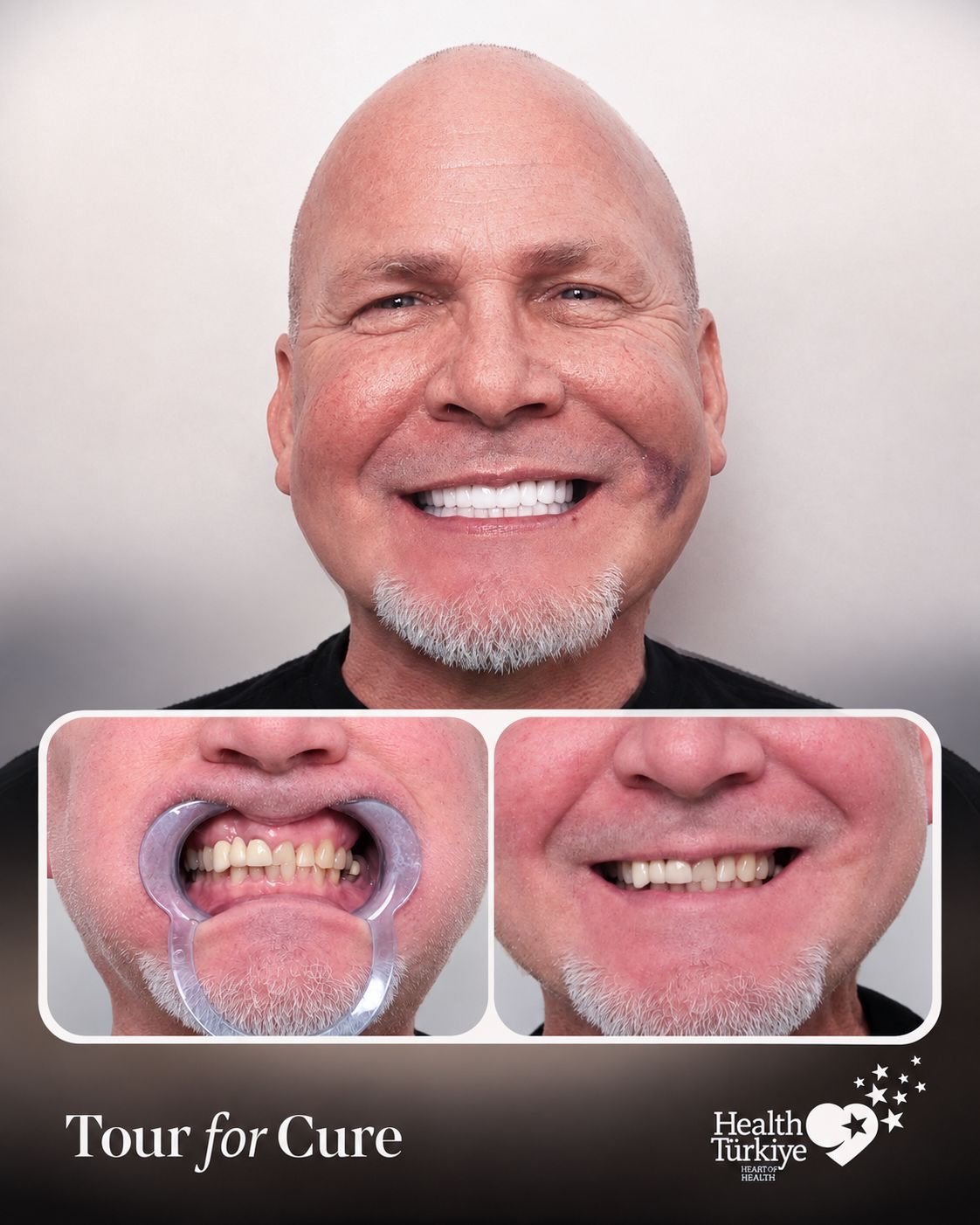
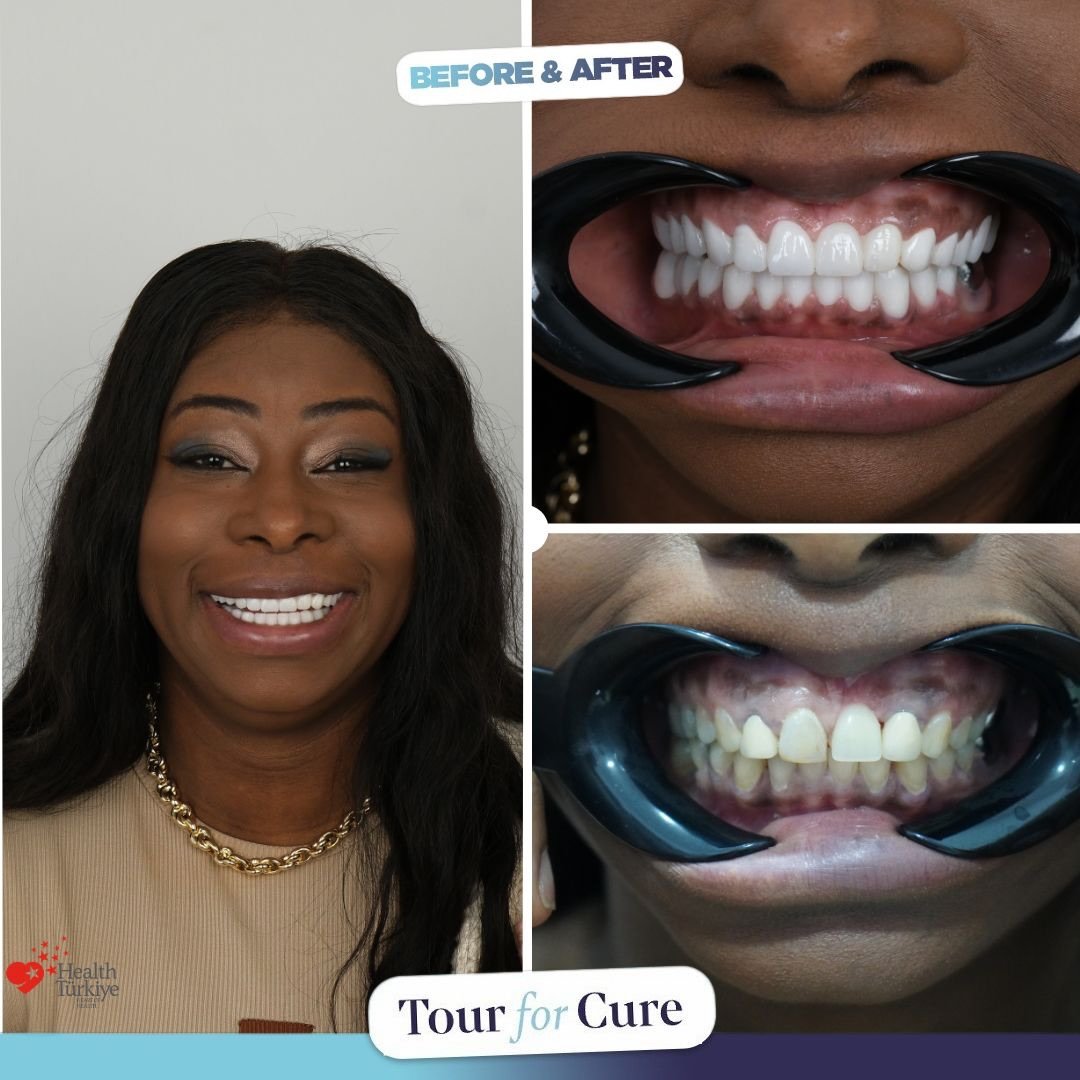
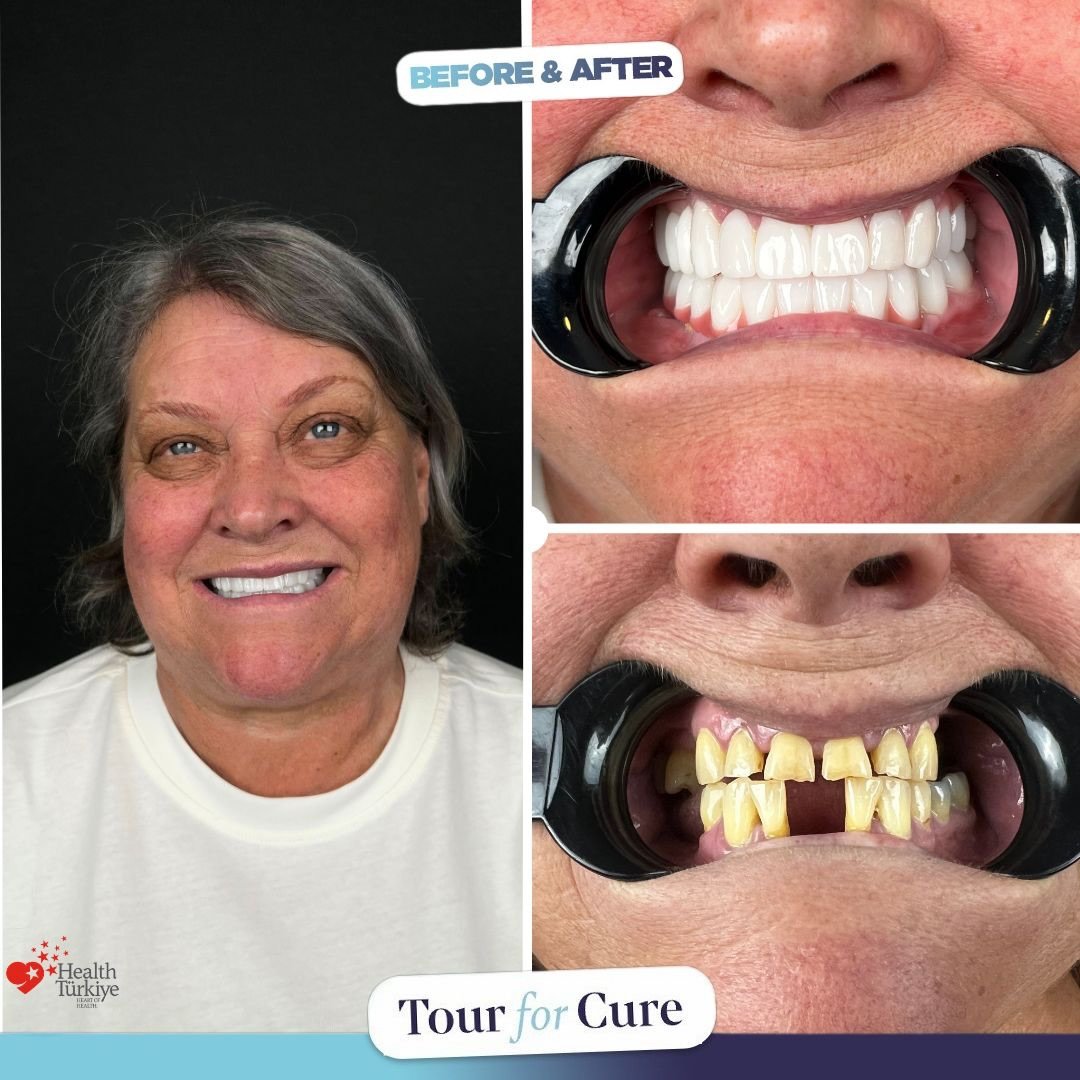
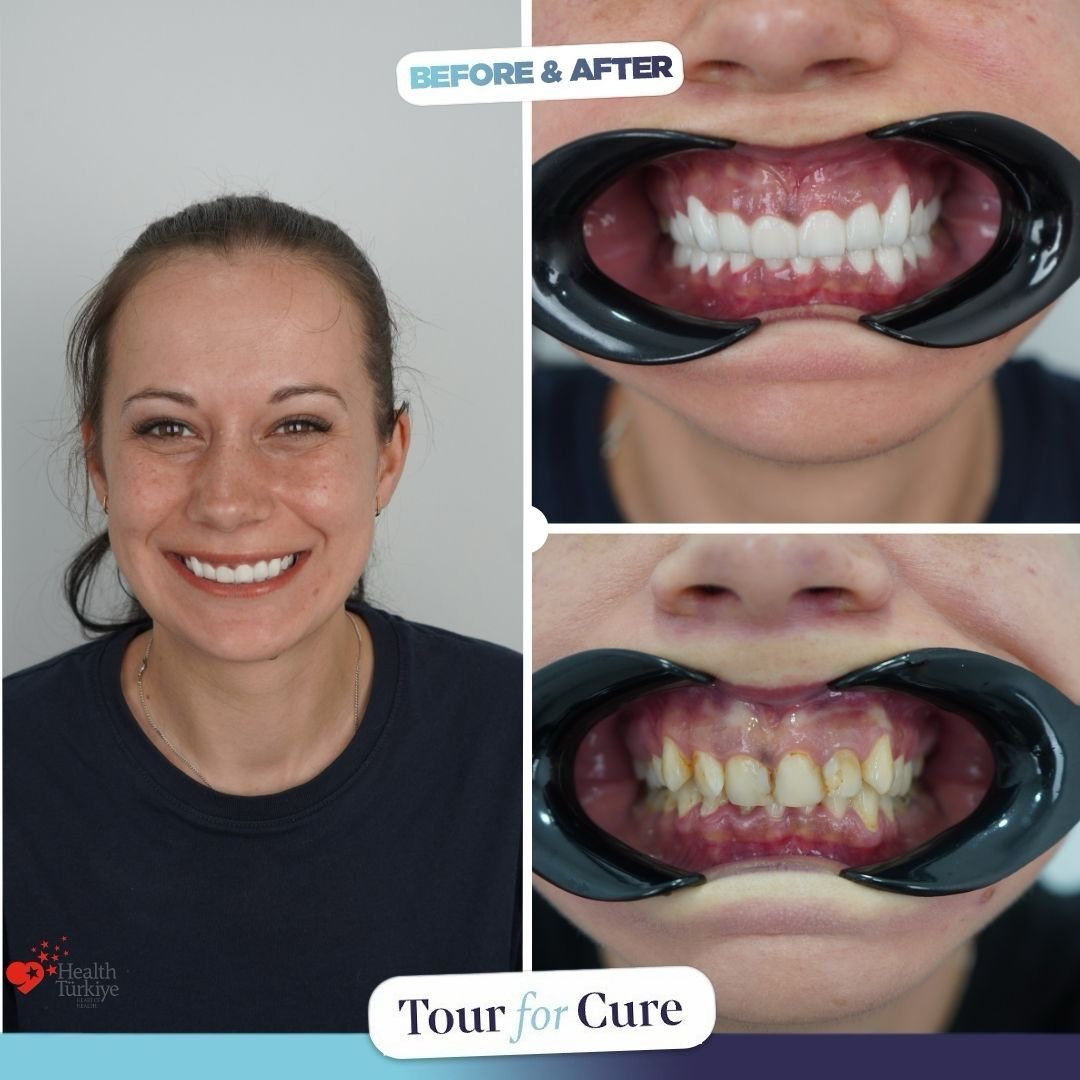
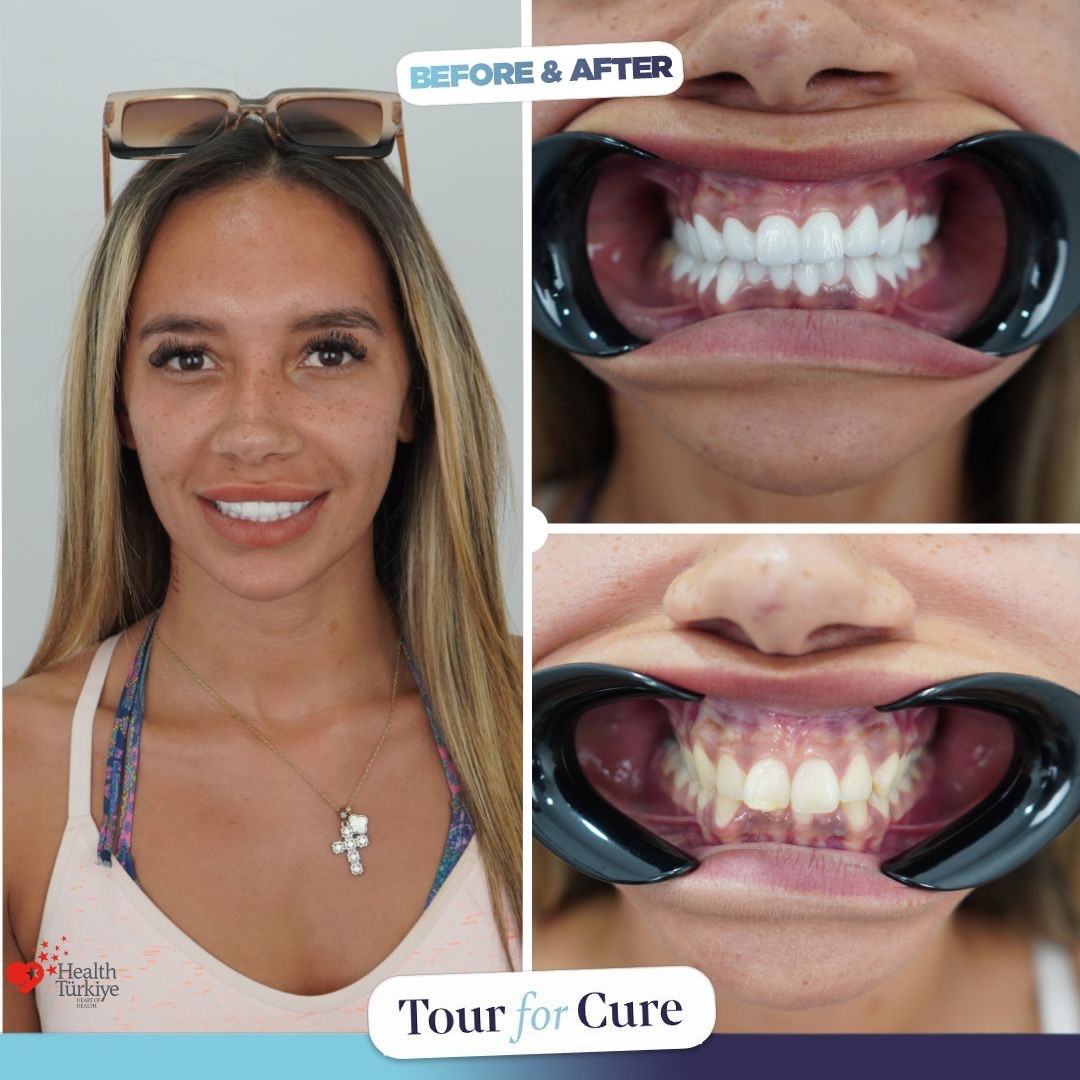
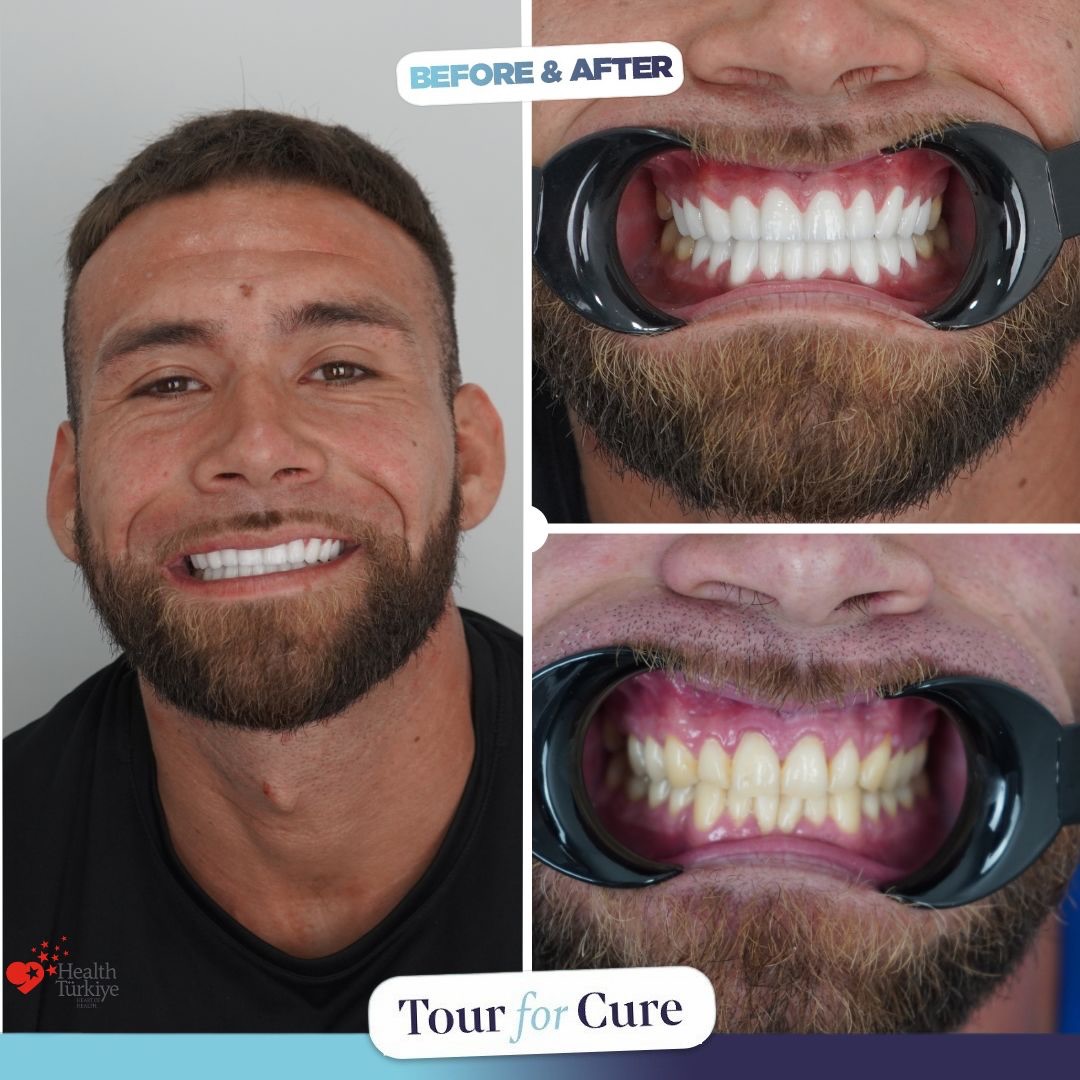
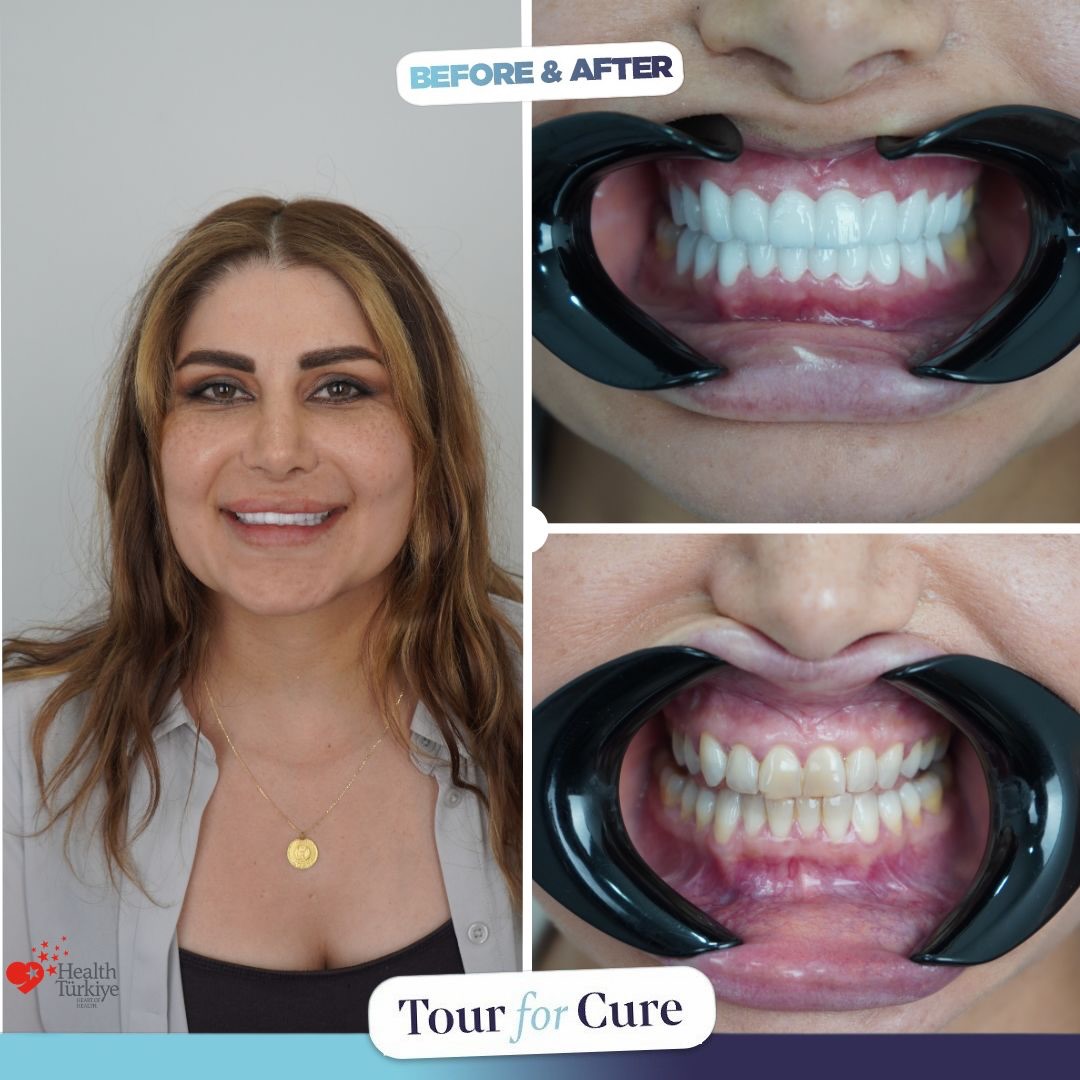
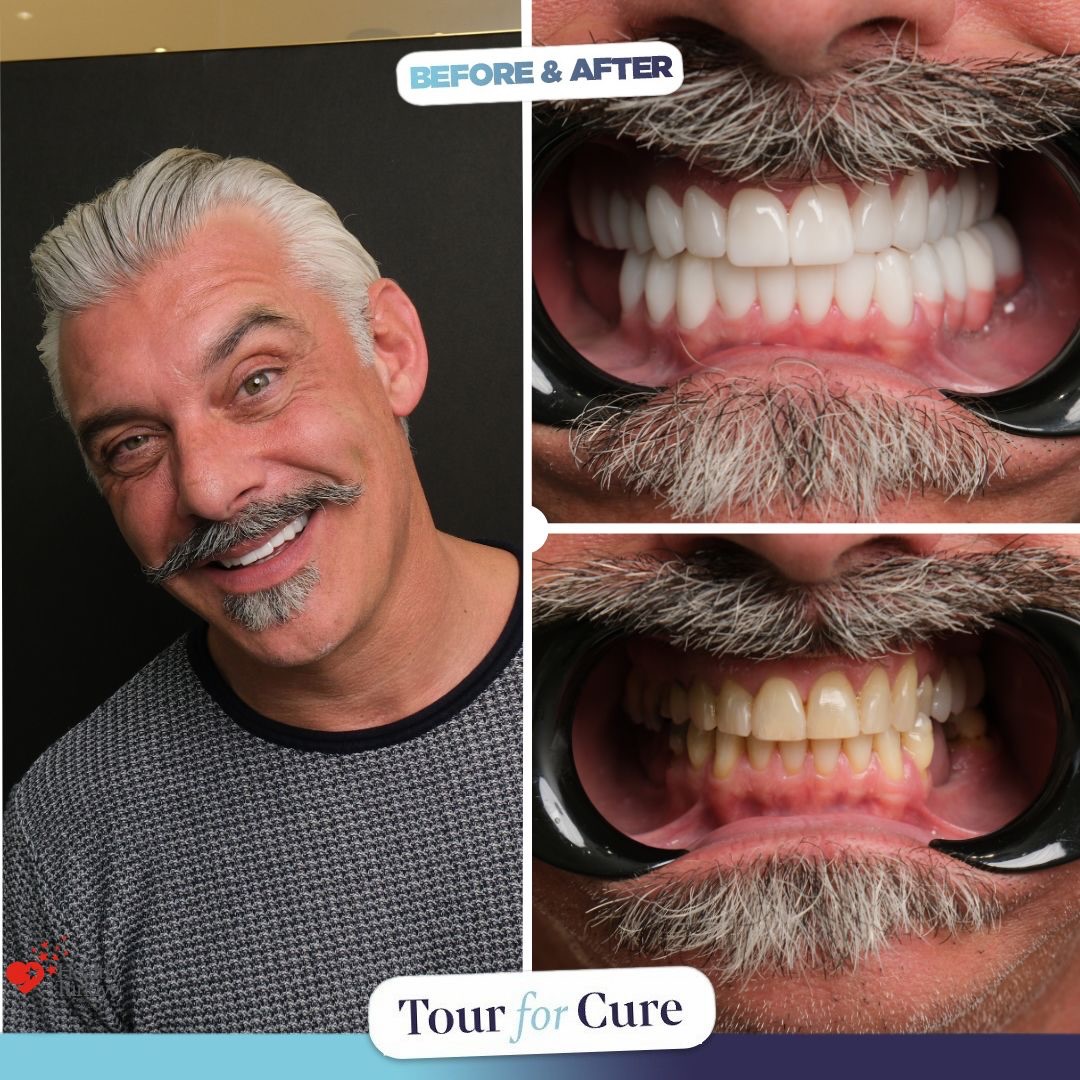
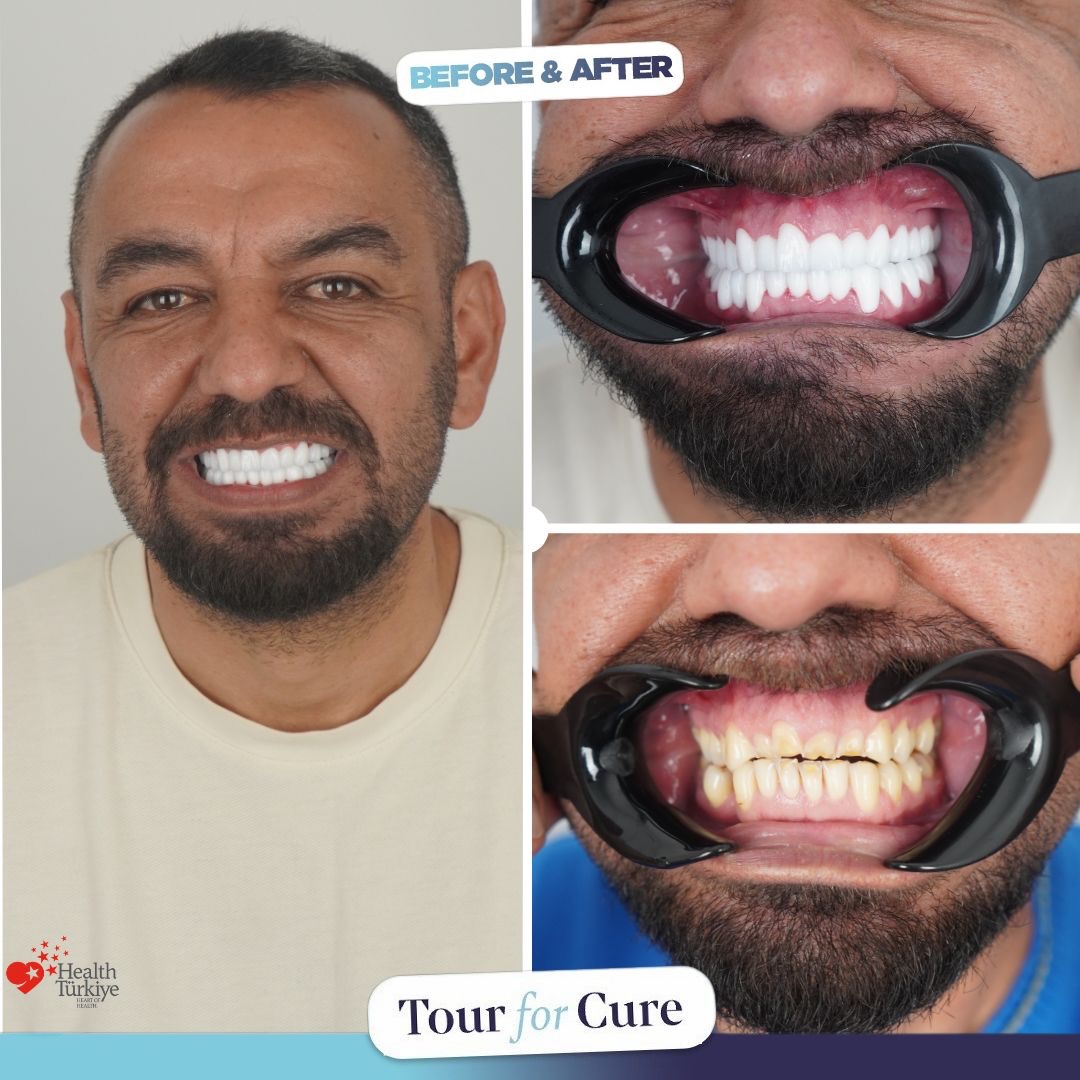
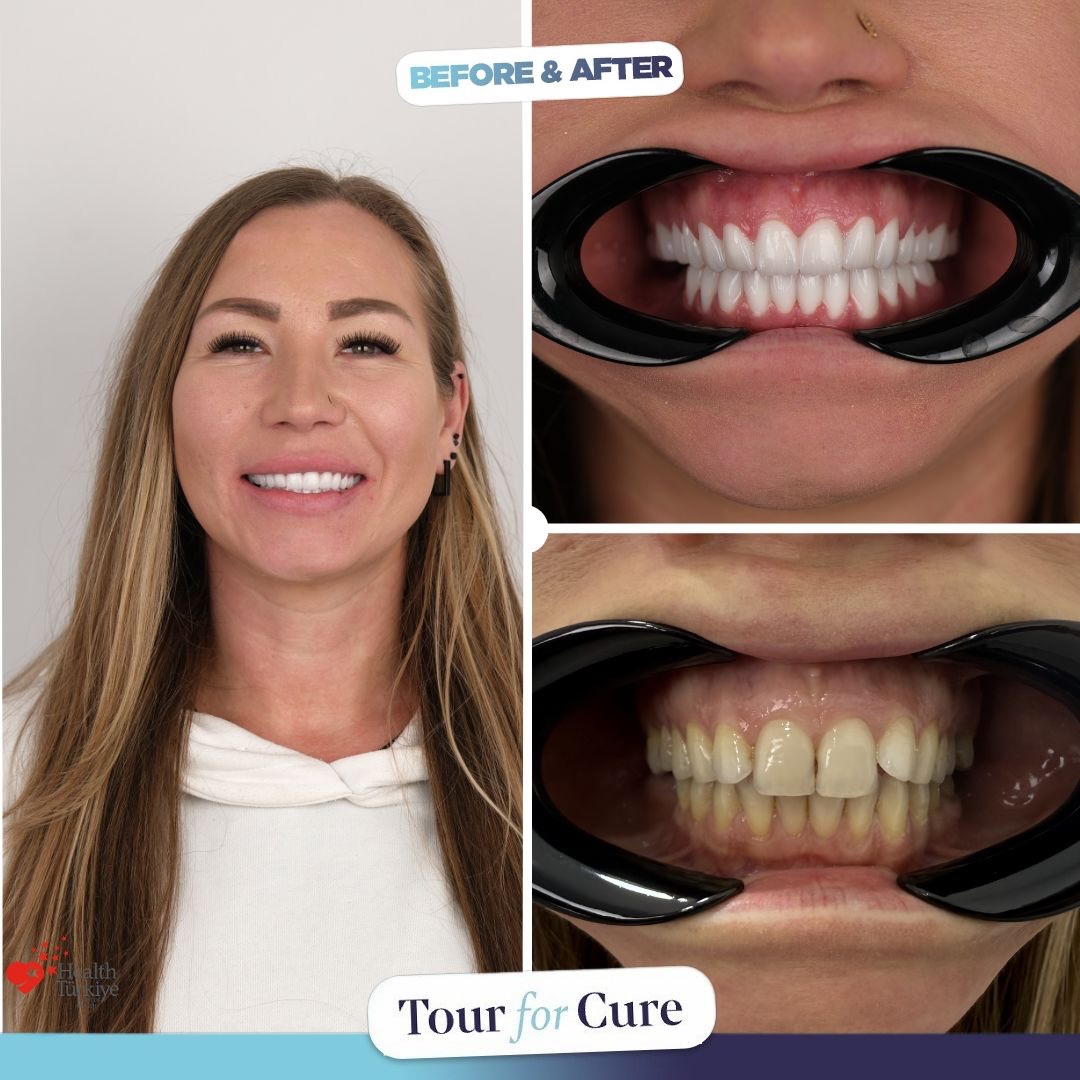
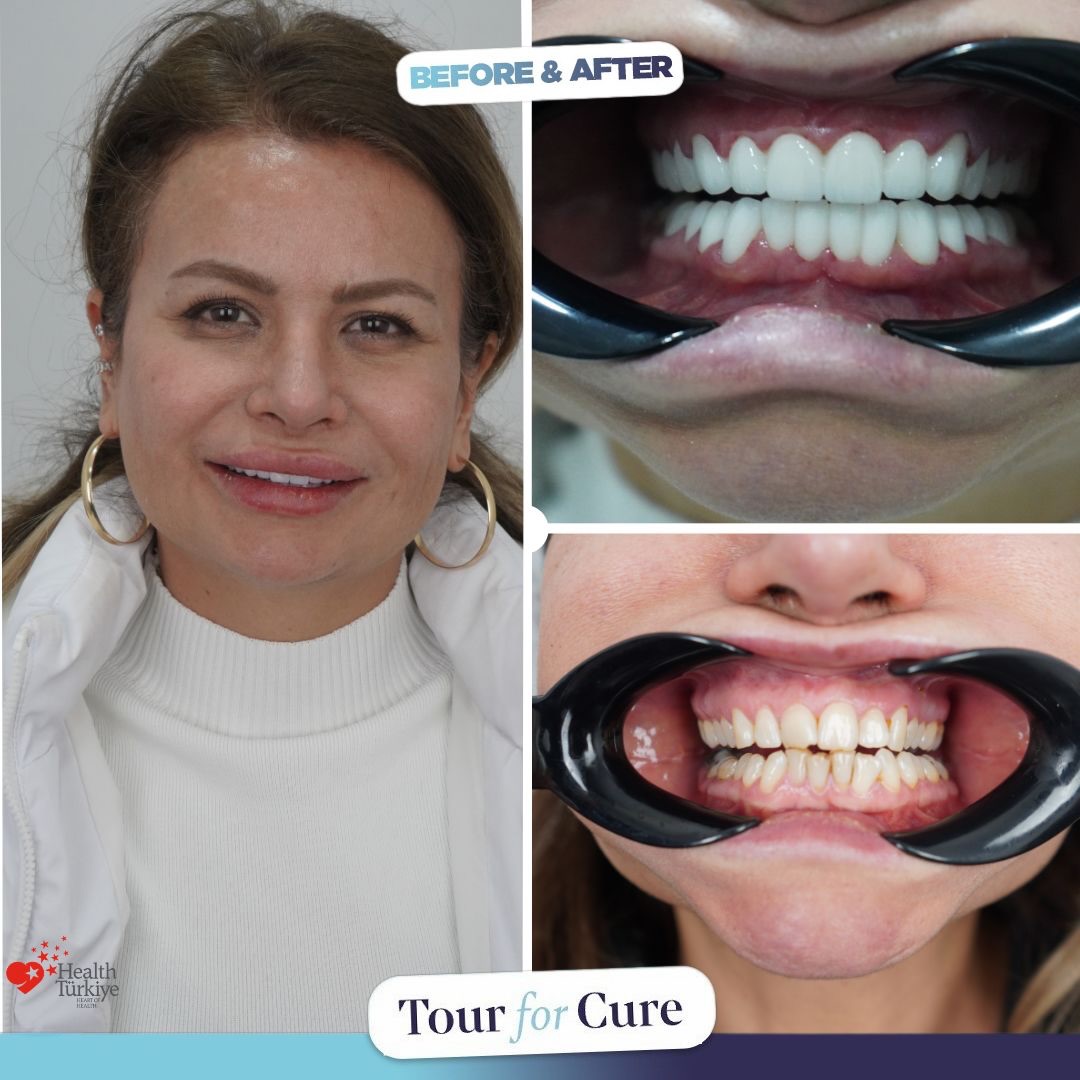
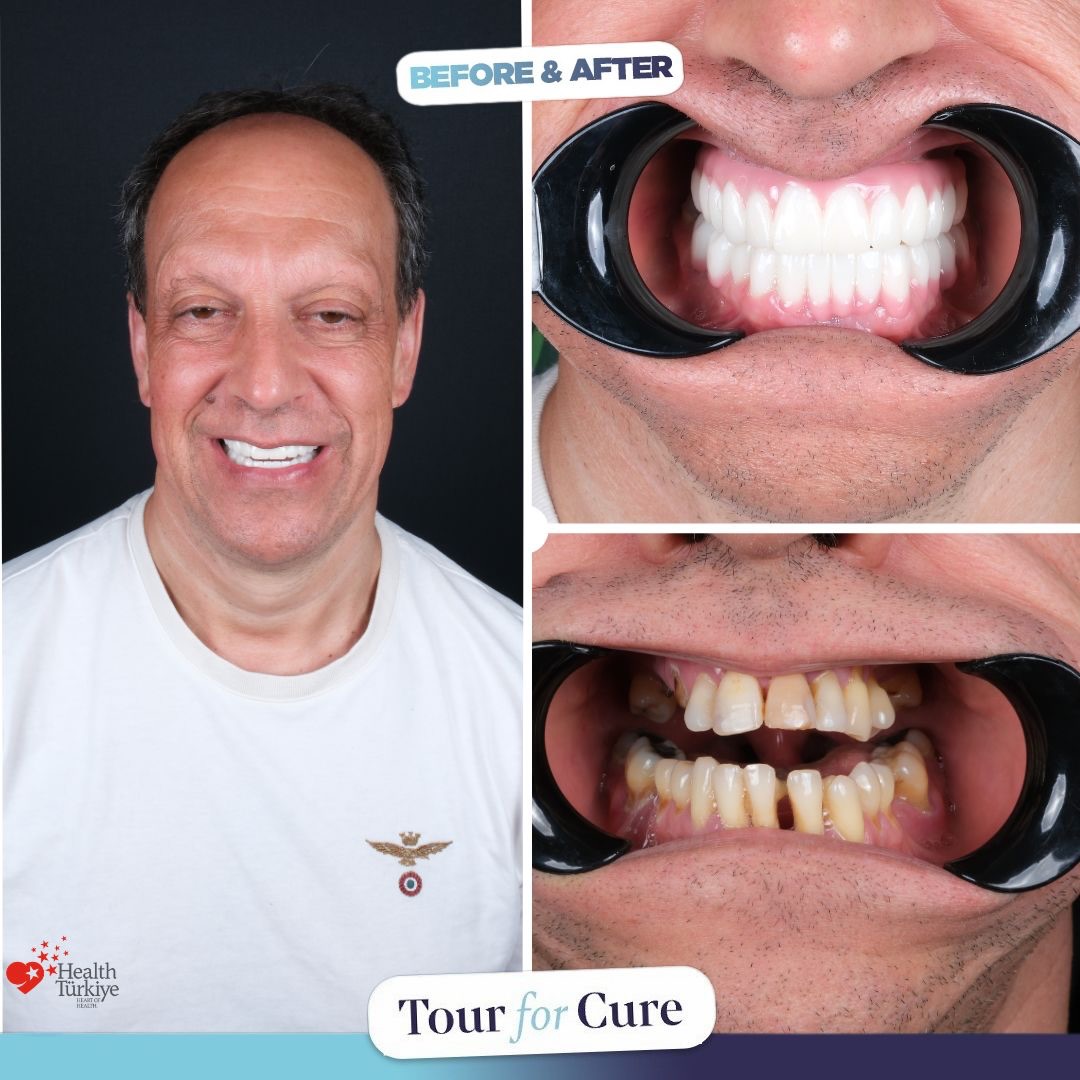
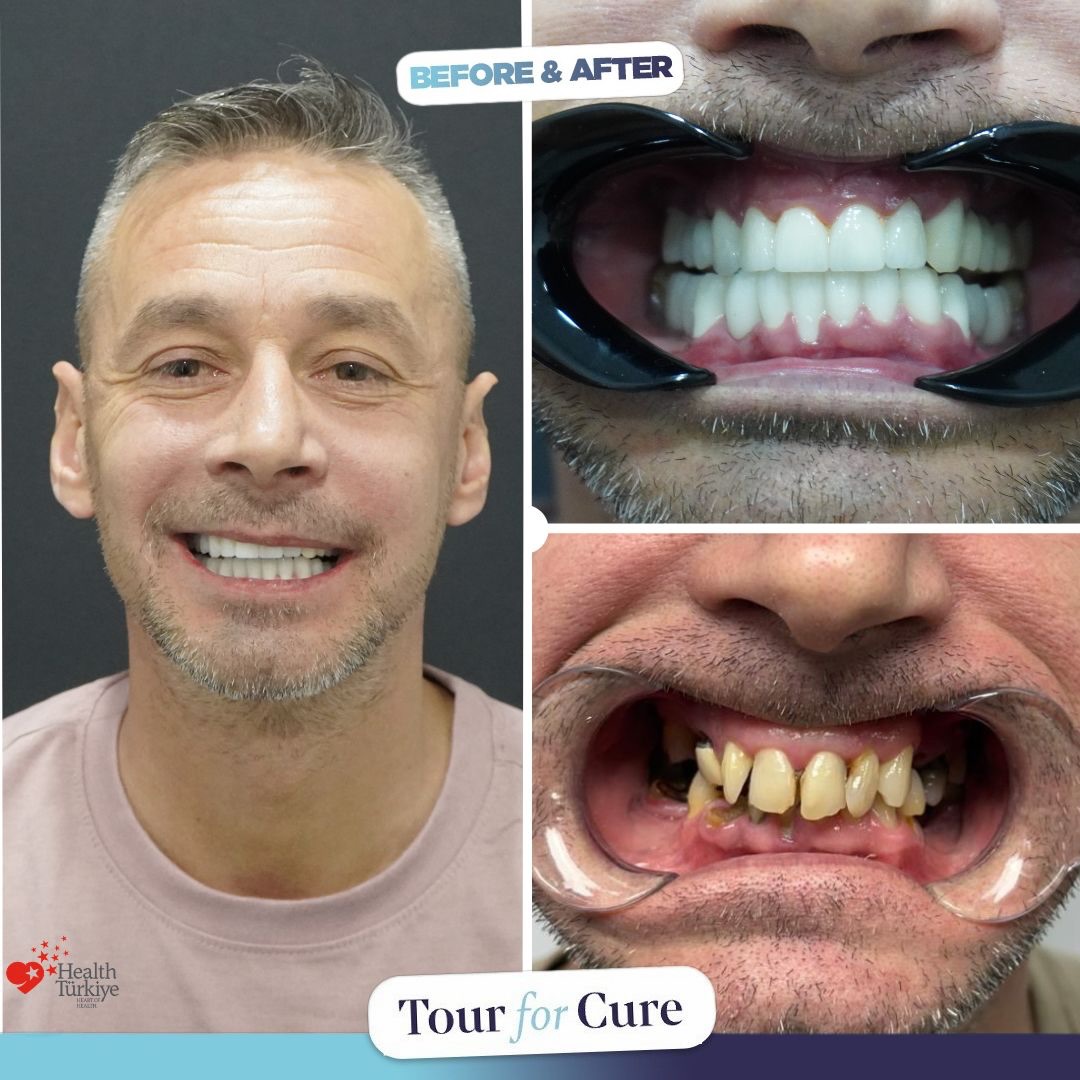
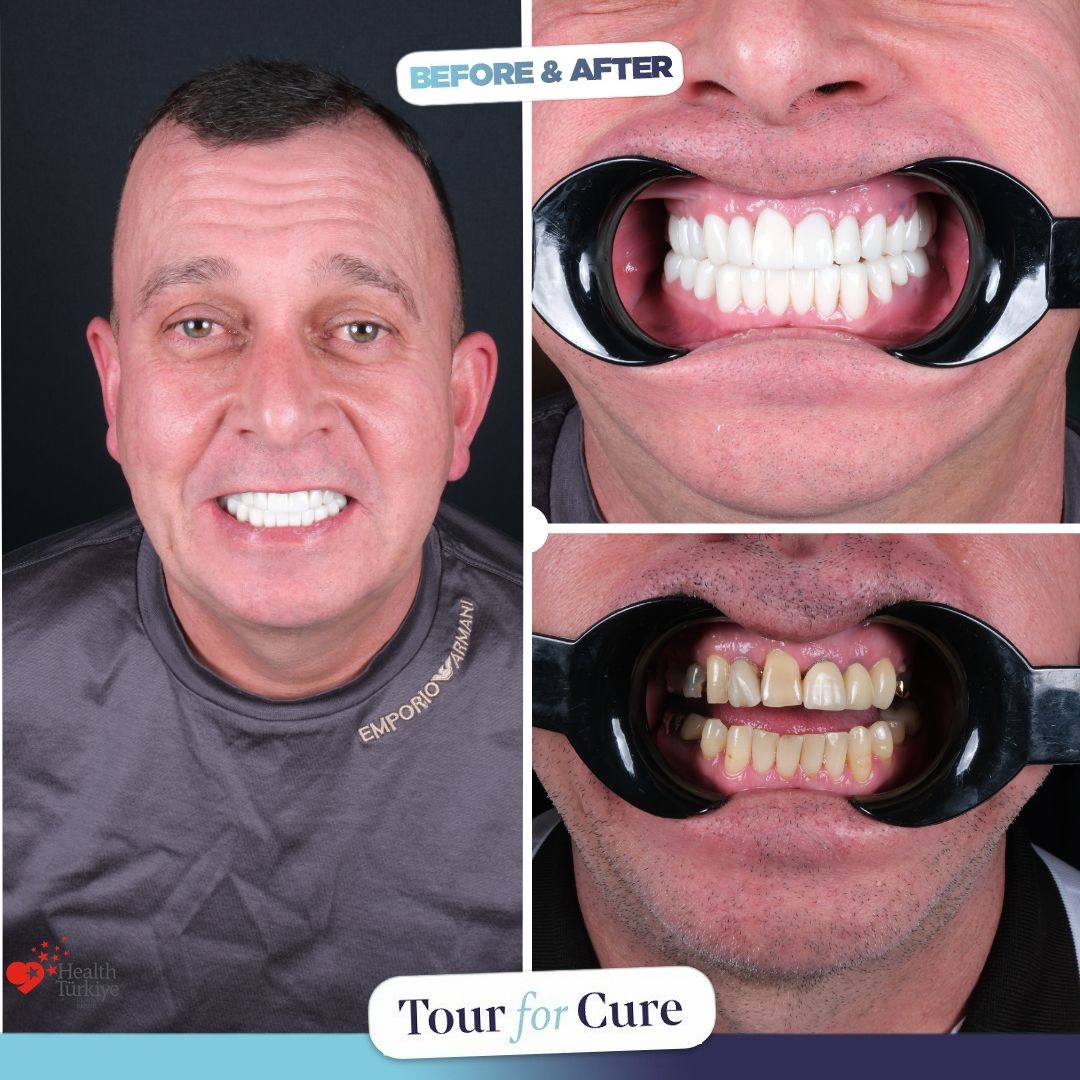
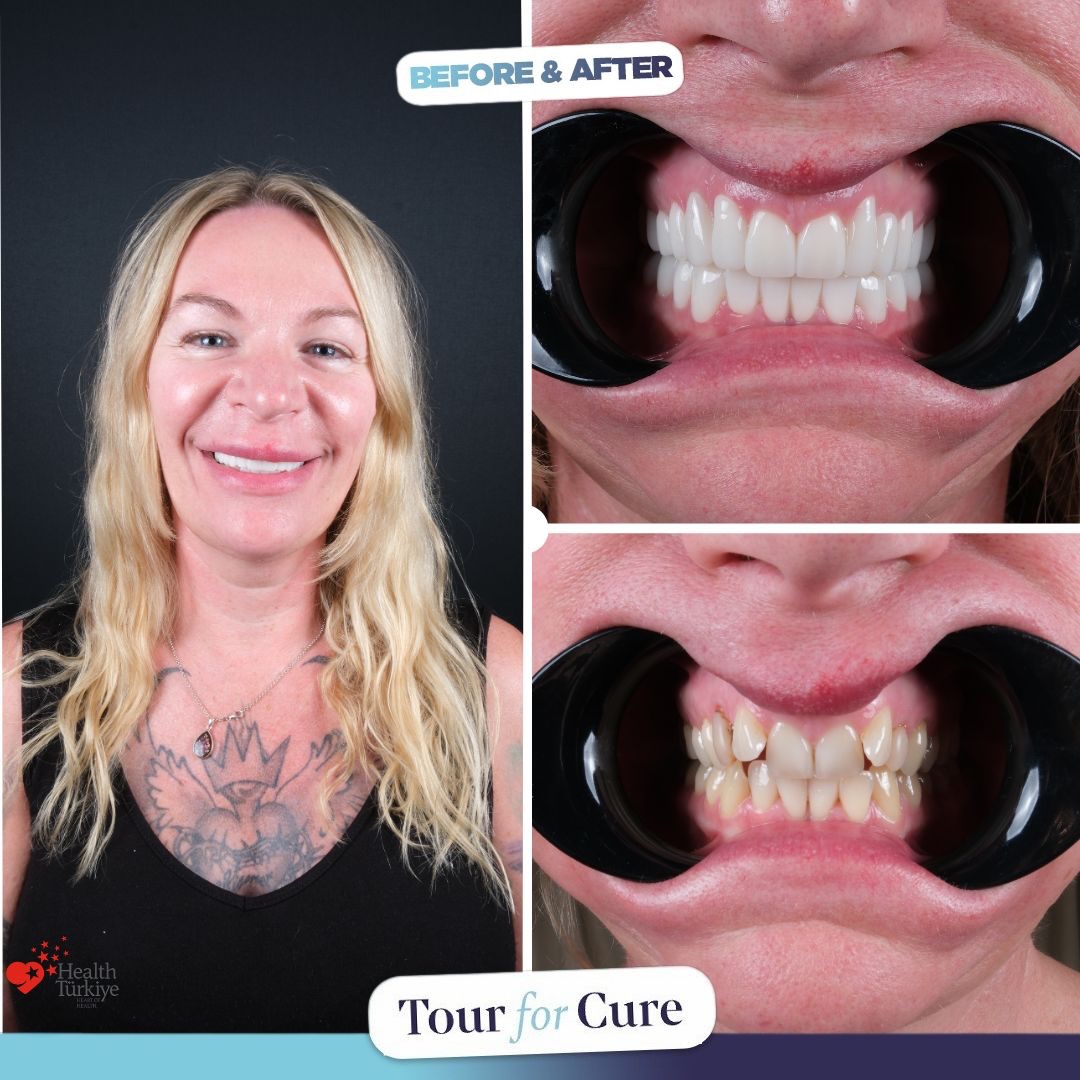
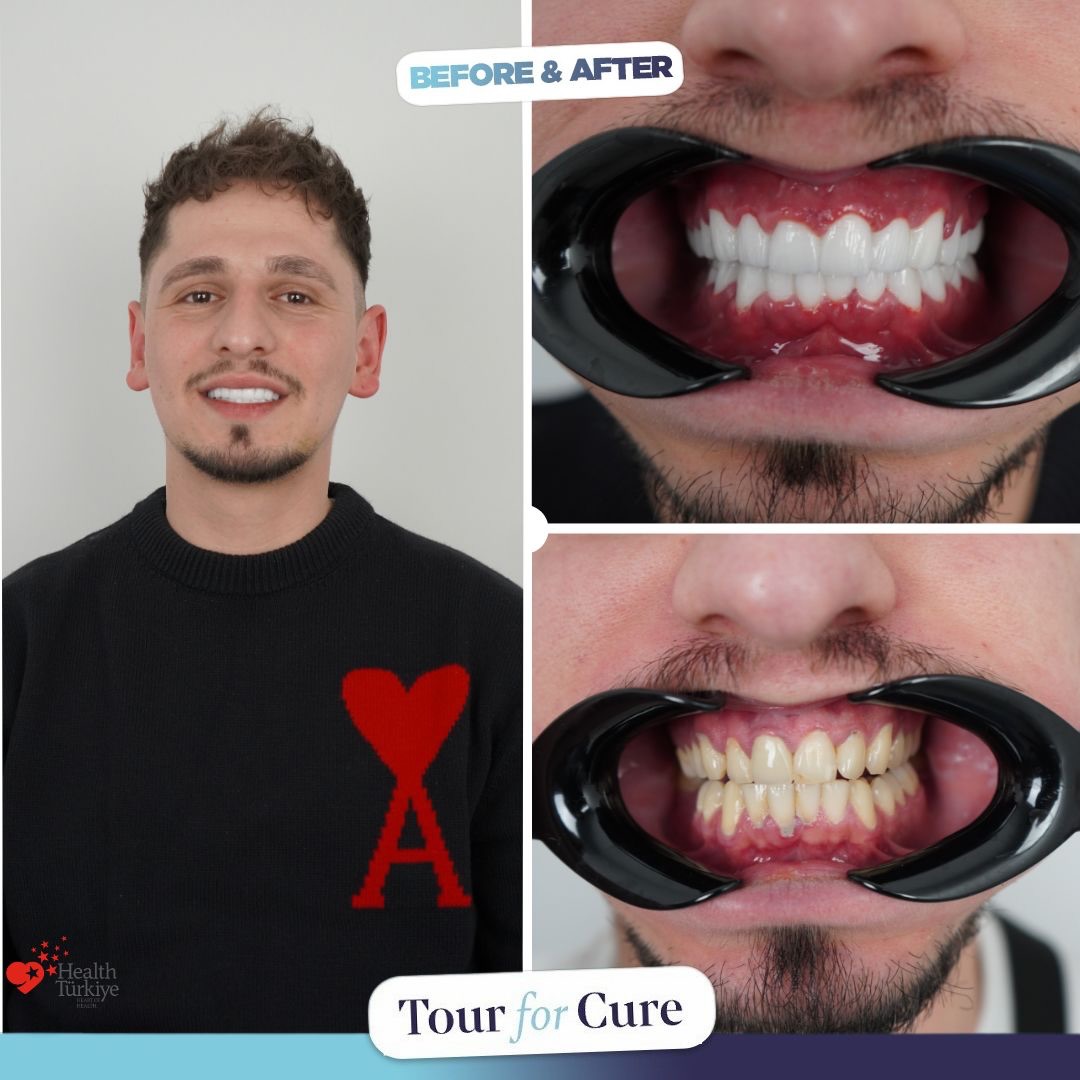
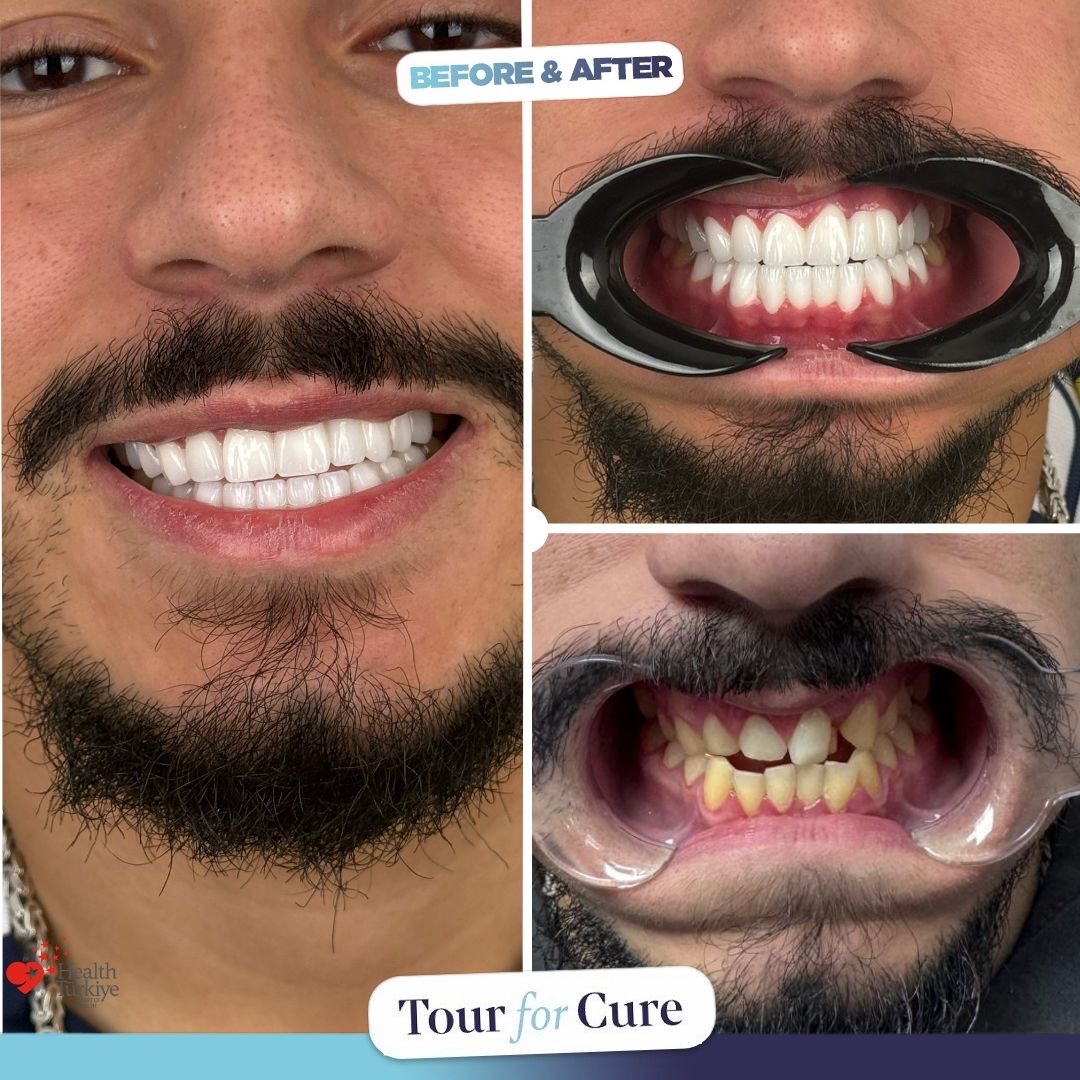
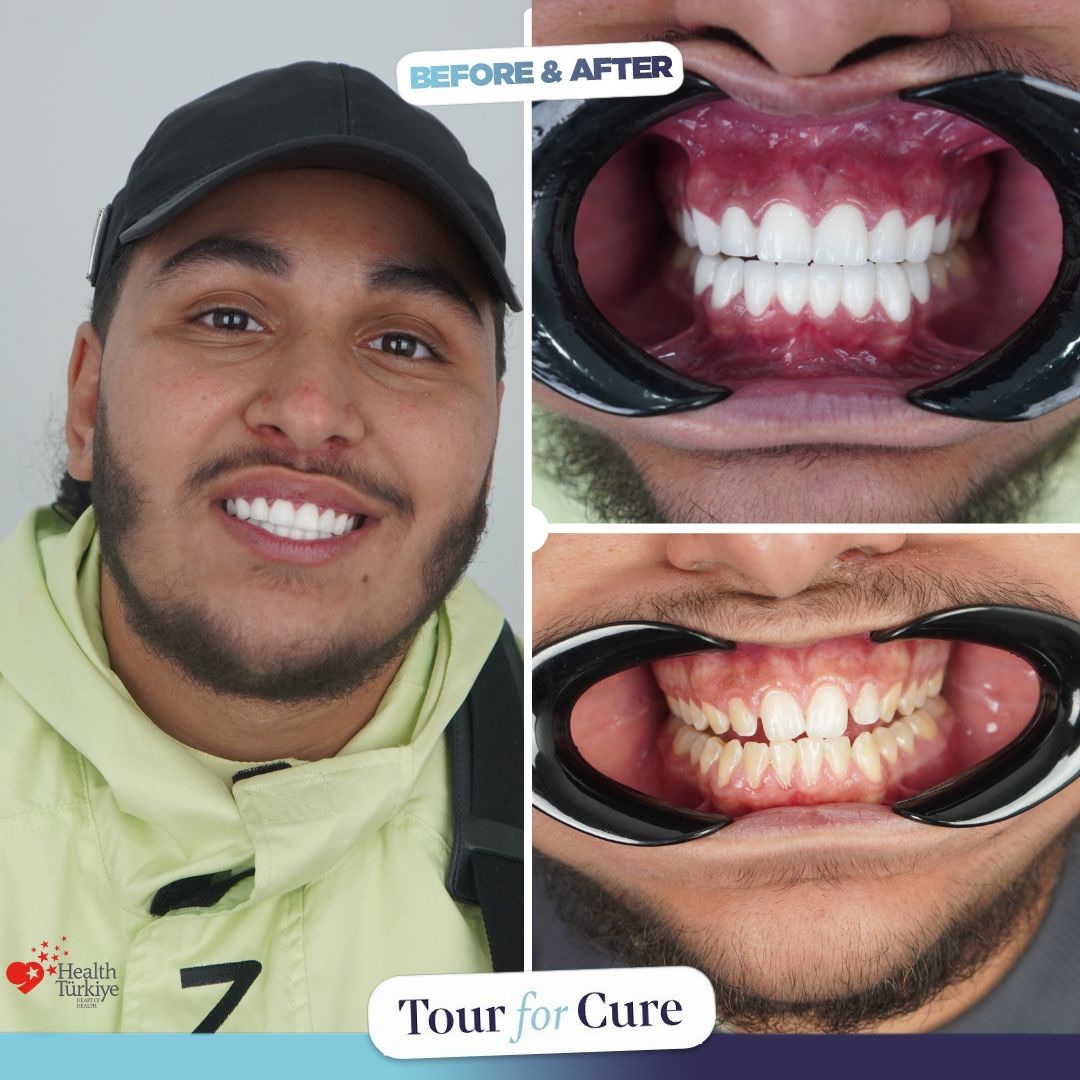
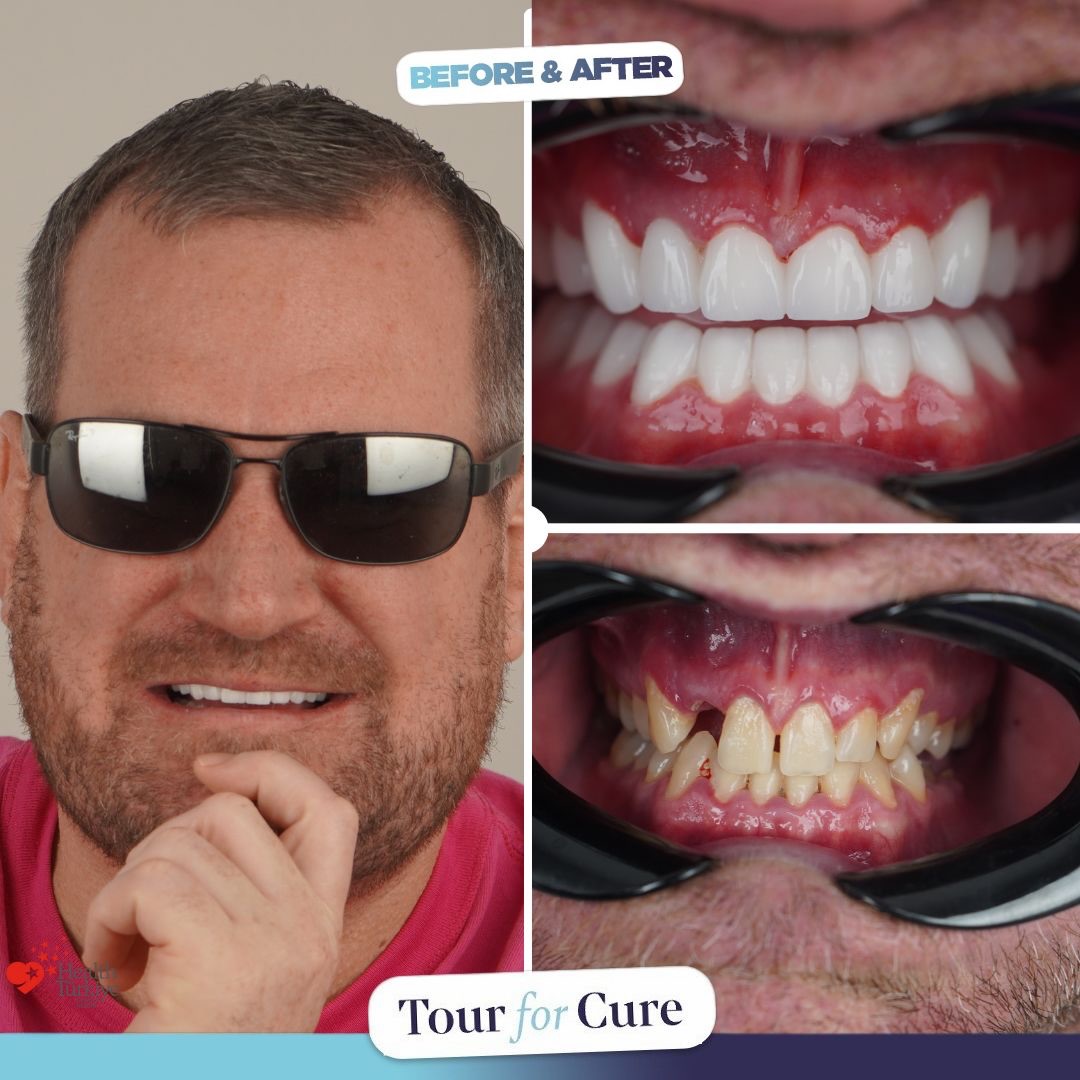
Dental Bridge Before and After Results
Dental bridges can significantly improve both the function and appearance of the smile.
By replacing missing teeth, bridges help restore the natural shape of the smile while improving bite stability and chewing comfort.
Dentists carefully design dental bridges to match the surrounding teeth in color and shape, ensuring the final result looks natural and harmonious.
Related Dental Treatments
Patients who consider dental bridges often explore other dental treatments that restore missing teeth or improve their smile.
You can learn more about the following procedures:
• Dental Implants – If a missing or extracted tooth needs replacement, dental implants provide a long-lasting and natural-looking solution. Click to explore how dental implants restore both function and aesthetics.
• Dental Veneers – Discover how thin porcelain veneers can improve the shape, color, and symmetry of your teeth. Click to learn more about the procedure and results.
• Teeth Whitening – Explore professional teeth whitening options that can brighten your smile and remove deep stains. Click to see how the treatment works.
• Smile Makeover – Learn how a customized smile makeover combines several cosmetic treatments to completely transform your smile. Click to read about the full process.
• Dental Crowns – Find out how dental crowns restore damaged or weakened teeth while improving their appearance. Click to learn more about crown treatment.
• Gummy Smile Treatment – If excessive gum tissue makes your teeth appear short, gummy smile treatment can reshape the gums and create a more balanced smile. Click to learn how the procedure works.
• Dental Night Guard – For patients who grind or clench their teeth during sleep, a custom dental night guard helps protect the teeth from wear and damage. Click to learn more about teeth grinding protection.
• Tooth Extraction – In cases where a tooth is severely damaged or infected, tooth extraction may be necessary to protect overall oral health. Click to learn when this treatment may be recommended.
Frequently Asked Questions About Dental Bridges
How long do dental bridges last?
With proper care and regular dental checkups, dental bridges typically last 10 to 15 years or longer, and many patients keep their bridges even longer.
The lifespan of a dental bridge depends on several factors, including:
• Oral hygiene habits
• Quality of the supporting teeth
• Regular dental checkups
• Avoiding excessive biting pressure
Maintaining healthy gums and brushing and flossing regularly can significantly extend the life of your dental bridge.
Is getting a dental bridge painful?
The procedure is performed under local anesthesia, so patients usually experience minimal discomfort.
Can dental bridges look natural?
Yes. Modern dental bridges are designed to match the color and shape of natural teeth, providing a natural-looking result.
How many teeth can a dental bridge replace?
Dental bridges can replace one or several missing teeth, depending on the strength of the supporting teeth or implants.
How do I take care of a dental bridge?
Maintaining good oral hygiene, brushing twice daily, and using dental floss or special bridge floss helps keep the bridge and surrounding teeth healthy.
Get a Free Dental Consultation
If you have missing teeth and are considering dental bridges in Turkey, our dental experts can help determine the most suitable treatment for your needs.
Send us your dental photos or X-rays through WhatsApp or E-Mail, and our dentists will provide a free consultation and personalized treatment plan.
Restore your smile and chewing comfort with high-quality dental bridges in Turkey.