Bone Grafting for Dental Implants in Turkey
Restore Jawbone Strength for Successful Dental Implant Treatment
Bone grafting is a common dental procedure used to rebuild or strengthen the jawbone when there is not enough natural bone to support dental implants. Many patients who have missing teeth for a long time experience bone loss in the jaw, which can make dental implant placement difficult without additional support.
Modern dentistry offers advanced bone grafting techniques that allow dentists to restore lost bone and create a stable foundation for dental implants. This procedure has helped thousands of patients successfully receive implants even after significant bone loss.
Turkey has become one of the leading destinations for advanced dental procedures, including bone grafting for dental implants, thanks to experienced dentists, modern technology, and affordable treatment costs.
At Tour for Cure clinics in Istanbul and Antalya, dentists use advanced imaging, high-quality graft materials, and precise surgical techniques to rebuild jawbone safely and effectively.
If you have been told that you do not have enough bone for dental implants, bone grafting may make implant treatment possible.
What Is Bone Grafting?
Bone grafting is a dental procedure used to rebuild or increase the volume of bone in the jaw.
The procedure involves placing special bone graft material in areas where the jawbone has weakened or shrunk. Over time, the graft integrates with the natural bone and stimulates new bone growth.
Once the bone has healed and strengthened, it can provide the necessary support for dental implants.
Bone grafting is one of the most effective ways to restore jawbone structure and improve long-term dental health.
Why Bone Grafting May Be Needed Before Dental Implants
Dental implants require a strong and healthy jawbone to remain stable and function properly. When a tooth is lost, the surrounding bone gradually begins to shrink due to lack of stimulation.
Common reasons patients may require bone grafting include:
• Long-term missing teeth.
• Advanced gum disease (periodontitis).
• Bone loss after tooth extraction.
• Facial trauma or injury.
• Natural jawbone thinning with age.
Without adequate bone support, dental implants may not be stable enough. Bone grafting helps restore the bone structure and prepare the jaw for successful implant placement.
Many patients who initially believe they are not candidates for implants can still receive them after bone grafting.
Types of Dental Bone Grafts
Dentists may use different types of bone graft materials depending on the patient's condition and treatment goals.
Autogenous Bone Graft
This type of graft uses bone taken from another area of the patient's body. It is considered highly effective because it contains natural bone cells that stimulate growth.
Allograft
Allografts use processed donor bone material that has been carefully sterilized and prepared for safe medical use.
This type of graft is commonly used and eliminates the need for an additional surgical site.
Xenograft
Xenografts are derived from biocompatible animal bone materials, usually bovine sources. They provide a stable framework that allows natural bone to grow over time.
Synthetic Bone Graft
Synthetic graft materials are made from advanced biocompatible substances that mimic natural bone structure and support bone regeneration.
Dentists will recommend the most suitable graft material based on the patient's needs and implant treatment plan.
Bone Grafting Procedure Step by Step
Bone grafting is a routine dental procedure performed by experienced oral surgeons and implant specialists.
1. Dental Examination and Imaging
The dentist first evaluates the jawbone using digital X-rays or 3D CT scans to assess bone density and determine the amount of grafting needed.
2. Treatment Planning
A personalized treatment plan is created based on the patient's bone condition and future implant placement.
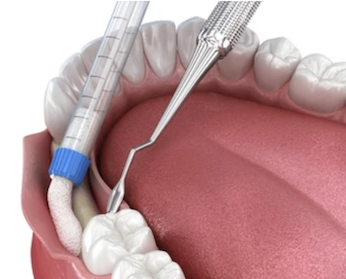
3. Bone Graft Placement
During the procedure, the dentist places the graft material into the area where bone volume needs to be restored.
The site is carefully secured and covered so the graft can integrate with the natural bone.
4. Healing and Bone Regeneration
Over the following months, the graft material gradually fuses with the natural bone, creating a stronger and thicker jawbone structure.
Once the bone is fully healed, dental implants can be placed safely.
Healing Time After Bone Grafting
Healing time varies depending on the size of the graft and the patient’s natural healing process.
Most patients require 3 to 6 months for the graft to fully integrate with the jawbone.
During this period, the bone becomes stronger and capable of supporting dental implants.
Your dentist will monitor the healing process and determine the best time to proceed with implant placement.
Benefits of Bone Grafting
Bone grafting offers several important advantages for patients with bone loss.
Makes Dental Implants Possible
Bone grafting allows many patients who previously lacked sufficient bone to receive dental implants.
Restores Jawbone Structure
The procedure rebuilds the natural shape and strength of the jawbone.
Prevents Further Bone Loss
By stimulating new bone growth, bone grafting helps slow or stop further bone deterioration.
Improves Facial Structure
Severe bone loss can affect facial appearance. Restoring bone structure helps maintain natural facial contours.
Bone Grafting Cost in Turkey
One of the major advantages of having dental procedures in Turkey is the significantly lower cost compared to Western countries.
Average Cost of Bone Grafting in Turkey
Bone Grafting €150 – €600
International Price Comparison of Bone Grafting
Country | Average Cost for Bone Grafting |
| USA | $400 – $4,000 |
| UK | £250 – £1,500 |
| Turkey | €150 – €600 |
Despite lower prices, dental clinics in Turkey use modern technology and top quality internationally approved materials.
Bone Grafting and Dental Implants
Bone grafting is often the first step before placing dental implants when the jawbone needs additional support.
After the bone has healed and strengthened, the dentist can safely place the implant post into the jawbone.
Dental implants provide a long-lasting and natural-looking solution for missing teeth, restoring both function and appearance.
Patients interested in replacing missing teeth can learn more about dental implant treatment in Turkey to understand the full process.
Who Is a Good Candidate for Bone Grafting?
Bone grafting is recommended for patients who have insufficient jawbone volume to support dental implants. Many people who lost teeth years ago experience gradual bone loss, which can prevent direct implant placement without additional support.
You may be a good candidate for bone grafting if you:
Have missing teeth for a long period of time.
Have experienced bone loss due to gum disease.
Need dental implants but lack sufficient bone density.
Have had a previous tooth extraction that caused bone shrinkage.
Want to restore the jawbone before implant treatment.
During your consultation, dentists will evaluate your bone structure using 3D dental imaging to determine whether bone grafting is necessary before dental implant placement.
? You can also learn more about the complete dental implant procedure in Turkey to understand how bone grafting supports successful implant treatment.
Bone Grafting vs Sinus Lift Surgery
Both bone grafting and sinus lift procedures are used to increase bone volume before dental implant placement, but they are performed in different areas of the jaw.
Procedure | Purpose |
| Bone Grafting | Rebuilds bone in areas where the jawbone has shrunk or weakened |
| Sinus Lift | Adds bone to the upper jaw near the sinus area to lift the sinus and support implants. |
A sinus lift is typically required when patients want implants in the upper back teeth region but the sinus cavity is too close to the jawbone.
Bone grafting, on the other hand, can be performed in many areas of the jaw where additional bone support is needed.
Your dentist will determine which procedure is required based on 3D imaging of the jawbone.
Related Dental Treatments
Patients who require bone grafting are often preparing for additional dental treatments to restore their smile and oral function.
You can explore the following treatments to learn more about the complete restoration process:
• Dental Implants – The most reliable solution for replacing missing teeth after bone grafting. Click to learn more about dental implant treatment in Turkey.
• Tooth Extraction – In some cases, bone grafting is performed immediately after a tooth extraction to preserve the jawbone. Click to learn when tooth removal may be necessary.
• Full Smile Makeover – A combination of treatments designed to restore both the health and appearance of your smile. Click to explore how multiple procedures can transform your smile.
Why Choose Turkey for Bone Grafting?
Turkey has become a global destination for dental care due to its combination of quality treatment and affordable prices.
Patients choosing Turkey benefit from:
• Highly experienced dentists.
• Modern dental clinics.
• Advanced imaging technology.
• Internationally recognized materials.
• Significantly lower treatment costs.
Many international patients also enjoy visiting Istanbul, a vibrant city known for its history, culture, and hospitality. Or choosing to spend a beach holiday in Antalya while getting their dental treatment done.
Why Choose Tour for Cure?
Tour for Cure offers international patients trusted dental clinics in Istanbul and Antalya that specialize in advanced dental treatments.
Our clinics provide:
• Experienced implant dentists.
• Modern surgical techniques.
• High-quality graft materials.
• Personalized treatment planning.
Our team supports patients throughout their dental journey by offering:
• Free consultation.
• Personalized treatment plans.
• Assistance with treatment scheduling.
Our goal is to ensure every patient receives safe, comfortable, and high-quality dental care in Turkey.
Frequently Asked Questions About Bone Grafting
Is bone grafting painful?
Bone grafting is performed under local anesthesia, so patients typically feel minimal discomfort during the procedure.
Can dental implants be placed immediately after bone grafting?
In some cases, implants can be placed at the same time as the bone graft. However, some patients require a healing period before implant placement.
How long does bone grafting last?
Once the graft integrates with the natural bone, it becomes a permanent part of the jawbone structure.
Is bone grafting safe?
Yes. When performed by experienced dental professionals, bone grafting is a safe and well-established procedure.
How do I know if I need bone grafting?
A dentist can determine whether bone grafting is necessary by evaluating dental X-rays or 3D scans.
Get a Free Dental Consultation
If you are considering dental implants in Turkey but have been told you do not have enough bone, bone grafting may help restore your jawbone and make implant treatment possible.
Send us your dental photos or X-rays on WhatsApp or E-Mail, and our dental experts will provide a free consultation and personalized treatment plan.
Restore your smile with advanced bone grafting and dental implant treatments in Turkey.